Exploring the realm of self-care and its impact on mental health, this article delves into 15 practical ideas to enhance your well-being. From physical activities to emotional techniques, discover how simple practices can make a significant difference in your mental wellness.
As we navigate through different aspects of self-care, you'll uncover valuable insights and strategies to cultivate a healthier mindset and lifestyle.
Introduction to Self-Care Ideas
Self-care is the practice of taking deliberate actions to improve one's physical, emotional, and mental well-being. It involves activities that prioritize personal needs and promote a healthy balance in life. Self-care is crucial for maintaining good mental health as it helps reduce stress, improve mood, and increase resilience in facing life's challenges.Incorporating self-care practices into daily routines can have numerous benefits for mental health.
By setting aside time for self-care activities, individuals can recharge and rejuvenate themselves, leading to increased productivity and a greater sense of well-being. Self-care also helps in building resilience and coping mechanisms, allowing individuals to better manage stress and anxiety.Research has shown that self-care has a significant impact on mental health.
Studies have demonstrated that regular self-care practices can reduce symptoms of depression and anxiety, improve overall mood, and enhance feelings of self-worth. By prioritizing self-care, individuals can better take care of their mental health and overall well-being.
Physical Self-Care Practices
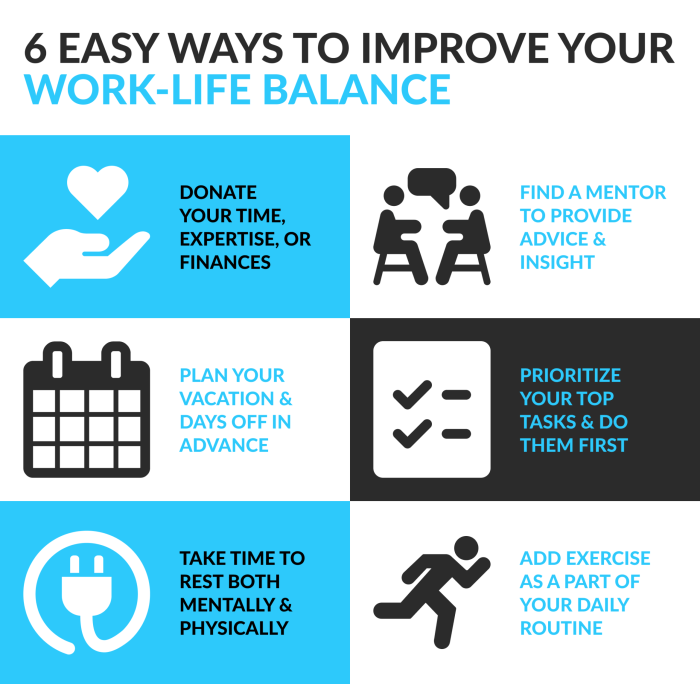
Physical self-care activities play a crucial role in improving mental health by promoting overall well-being and reducing stress. Engaging in activities like exercise, yoga, or hiking can have a positive impact on mental health by releasing endorphins, reducing anxiety, and improving mood.
Additionally, proper nutrition plays a key role in supporting brain function and mental health.
Exercise
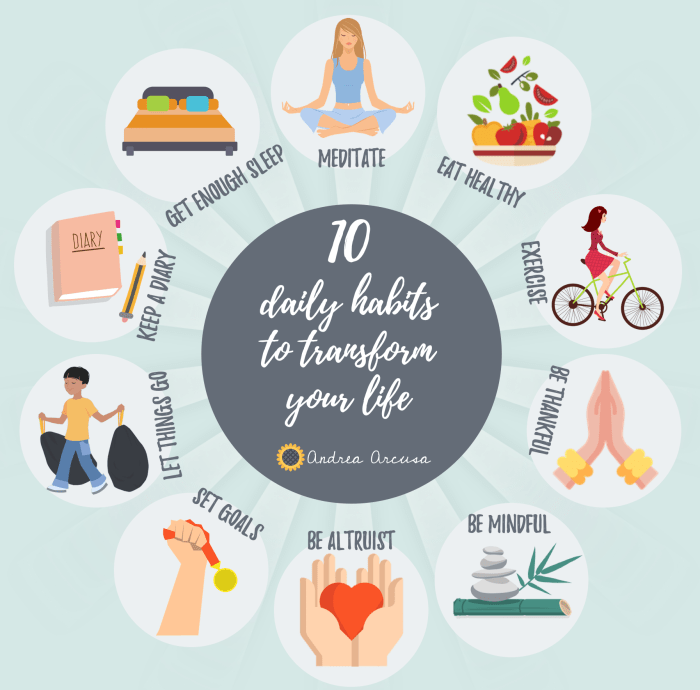
Regular exercise, such as cardio or strength training, can help reduce symptoms of anxiety and depression by releasing endorphins, the body's natural stress reliever. Aim for at least 30 minutes of moderate exercise most days of the week to experience the mental health benefits.
Yoga
Practicing yoga can help improve mental well-being by combining physical postures, breathing techniques, and meditation. Yoga has been shown to reduce stress, promote relaxation, and increase mindfulness, all of which can contribute to better mental health.
Hiking
Spending time in nature through activities like hiking can provide a sense of calm and relaxation, reducing symptoms of stress and anxiety. The fresh air, natural surroundings, and physical activity involved in hiking can help clear the mind and improve overall mental well-being.
Proper Nutrition
Eating a balanced diet rich in fruits, vegetables, whole grains, lean proteins, and healthy fats is essential for supporting brain function and mental health. Nutrient-dense foods provide the vitamins and minerals necessary for proper brain function, mood regulation, and overall well-being.
Sleep
Getting an adequate amount of quality sleep is crucial for mental health. Lack of sleep can negatively impact mood, cognitive function, and overall well-being. Aim for 7-9 hours of quality sleep each night to support optimal mental health.
Emotional Self-Care Techniques
Emotional self-care involves strategies to nurture your emotional well-being, promoting a sense of balance and resilience in the face of life's challenges. By incorporating practices like journaling, mindfulness, setting boundaries, and practicing gratitude, you can enhance your mental health and overall quality of life.
Journaling
Journaling is a powerful tool for processing emotions, increasing self-awareness, and gaining clarity on your thoughts and feelings. Taking time to write down your thoughts, worries, and joys can help you release pent-up emotions and gain perspective on your experiences.
Mindfulness
Mindfulness involves being present in the moment without judgment, allowing you to acknowledge and accept your emotions as they arise. By practicing mindfulness through techniques like deep breathing, meditation, or body scans, you can cultivate a greater sense of calm and emotional balance.
Setting Boundaries
Setting boundaries is crucial for protecting your emotional well-being and preserving your mental health. By clearly communicating your needs and limits to others, you can create a safe space for yourself and reduce feelings of overwhelm or resentment.
Practicing Gratitude
Practicing gratitude involves focusing on the positive aspects of your life and expressing appreciation for the good things, no matter how small. By cultivating a mindset of gratitude through practices like keeping a gratitude journal or simply reflecting on your blessings, you can boost your mood and overall mental well-being.
Social Self-Care Tips
Building and maintaining healthy relationships is vital for your mental well-being. Connecting with others can provide support, encouragement, and a sense of belonging, which are essential for overall emotional health.
Seek Support from Friends and Family
During challenging times, reaching out to friends and family for support can make a significant difference in how you cope with stress and difficulties. Talking to loved ones and sharing your feelings can help lighten the emotional load and provide a fresh perspective on your situation.
Engage in Social Activities
Participating in social activities such as group outings, game nights, or community events can boost your mood and reduce feelings of loneliness. Connecting with others in a positive and supportive environment can help you feel more connected and valued, improving your overall mental well-being.
Creative Self-Care Ideas
Engaging in creative activities can be a powerful tool for improving mental health and overall well-being. These activities provide a way to express emotions, reduce stress, and boost mood.
Art Therapy
Art therapy involves using various art forms such as painting, drawing, or sculpting to explore emotions and promote self-expression. This can be a therapeutic and relaxing way to process feelings and reduce stress.
Music Therapy
Listening to music or playing an instrument can have a calming effect on the mind and body. Music therapy has been shown to reduce anxiety, improve mood, and enhance emotional well-being.
Writing and Journaling
Expressing thoughts and emotions through writing can be a cathartic experience. Keeping a journal or writing poetry/story can help in processing feelings, gaining insights, and promoting self-reflection.
Mindfulness and Meditation Practices
Mindfulness and meditation are powerful tools for self-care that can help improve mental health and overall well-being. Mindfulness involves being fully present in the moment and paying attention to thoughts, feelings, and sensations without judgment. On the other hand, meditation is a practice that involves focusing the mind and eliminating distractions to achieve a state of calm and clarity.
Impact of Mindfulness and Meditation
- Mindfulness and meditation have been shown to reduce anxiety by helping individuals become more aware of their thoughts and emotions, allowing them to respond to stressors in a more constructive way.
- These practices can also improve focus and concentration by training the mind to stay present and avoid getting caught up in distractions.
- Regular mindfulness and meditation have been linked to better emotional regulation, increased self-awareness, and a greater sense of inner peace.
Tips for Incorporating Mindfulness and Meditation
- Start with short sessions: Begin with just a few minutes of mindfulness or meditation each day and gradually increase the duration as you become more comfortable with the practice.
- Find a quiet space: Choose a peaceful environment where you can relax and focus without interruptions.
- Use guided meditations: There are plenty of apps and online resources that offer guided meditation sessions to help you get started and stay on track.
- Practice gratitude: Incorporate gratitude exercises into your mindfulness practice to cultivate a positive mindset and appreciation for the present moment.
- Stay consistent: Make mindfulness and meditation a daily habit by setting aside time each day to engage in these practices, even if it's just for a few minutes.
Setting Boundaries for Self-Care
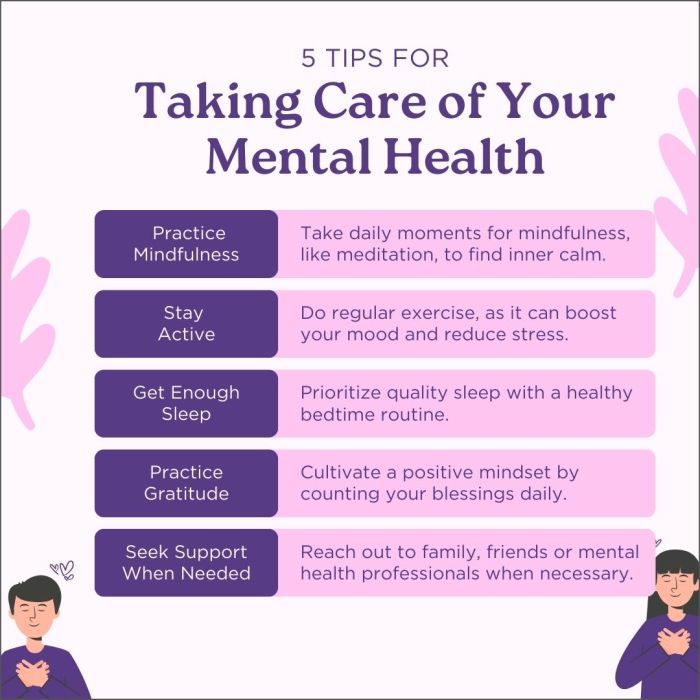
Setting boundaries is crucial for self-care as it helps individuals establish limits to protect their physical, emotional, and mental well-being. By setting boundaries, individuals can create a healthy balance in personal and professional relationships, prevent burnout, and improve overall quality of life.
Importance of Setting Boundaries
Setting boundaries allows individuals to define what is acceptable and what is not in their interactions with others. It helps in safeguarding personal values, priorities, and needs, thereby promoting self-respect and self-care. By establishing boundaries, individuals can communicate their limits effectively, reduce stress and conflicts, and cultivate healthier relationships.
Examples of Healthy Boundaries
- Communicating clearly and assertively when feeling overwhelmed or in need of space.
- Setting limits on work hours to prioritize personal time and relaxation.
- Establishing boundaries on social media usage for mental well-being.
- Respecting personal boundaries by saying no when feeling uncomfortable or pressured.
Preventing Burnout and Improving Well-Being
Setting boundaries plays a pivotal role in preventing burnout by avoiding excessive demands and responsibilities. It helps individuals manage their time effectively, prioritize self-care activities, and reduce feelings of overwhelm and exhaustion. By setting boundaries, individuals can nurture their mental health, increase resilience, and enhance overall well-being.
Time Management Strategies for Self-Care
Effective time management is crucial for prioritizing self-care activities, reducing stress, and promoting mental health. By managing your time wisely, you can ensure that you allocate enough time for self-care practices that contribute to your overall well-being.
Creating a Schedule
- Use a planner or digital calendar to schedule self-care activities throughout your week.
- Allocate specific time slots for activities such as exercise, meditation, or hobbies.
- Include self-care activities in your daily routine to make them a priority.
Setting Realistic Goals
- Break down larger self-care goals into smaller, manageable tasks.
- Set achievable deadlines for each task to avoid feeling overwhelmed.
- Celebrate small victories along the way to stay motivated.
Eliminating Time Wasters
- Identify activities that consume your time without adding value to your well-being.
- Limit distractions such as excessive screen time or aimless scrolling on social media.
- Focus on activities that align with your self-care goals and priorities.
Outdoor Activities for Mental Well-Being
Spending time outdoors engaging in various activities can have a positive impact on your mental well-being. It allows you to connect with nature, breathe in fresh air, and get some physical exercise, all of which contribute to improving your overall mental health.
List of Outdoor Activities
- Hiking: Exploring nature trails and mountains can be a great way to clear your mind and reduce stress.
- Gardening: Tending to plants and flowers can be therapeutic and calming, promoting relaxation.
- Picnicking: Enjoying a meal outdoors in a park or by a lake can help you unwind and boost your mood.
Benefits of Spending Time in Nature
Being in nature can reduce feelings of anxiety, depression, and improve cognitive function.
Spending time outdoors can enhance your mood, increase your energy levels, and provide a sense of peace and tranquility. It allows you to disconnect from the hustle and bustle of everyday life and focus on the present moment.
Tips for Incorporating Outdoor Activities into Self-Care Practices
- Schedule regular outdoor time: Make it a point to include outdoor activities in your weekly routine to prioritize your mental well-being.
- Choose activities you enjoy: Select outdoor activities that bring you joy and relaxation to make the experience more fulfilling.
- Unplug and be present: When engaging in outdoor activities, try to disconnect from technology and fully immerse yourself in the natural surroundings.
Final Wrap-Up
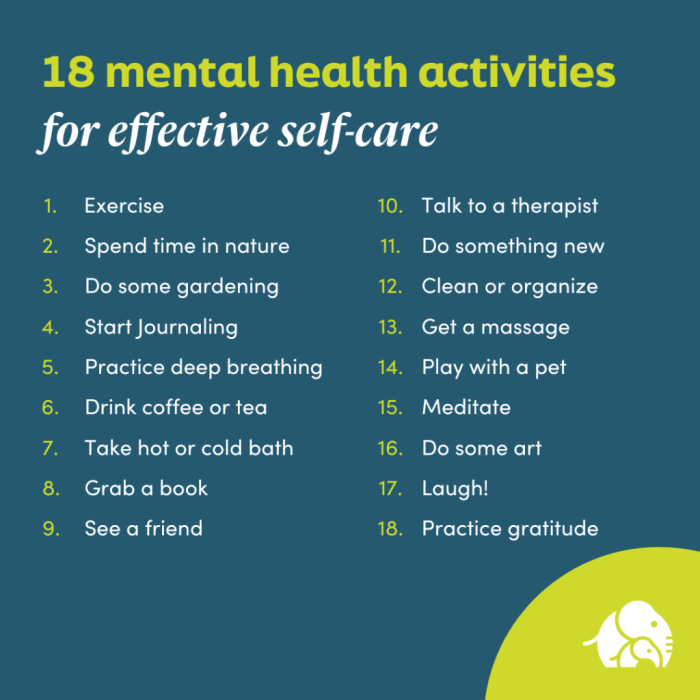
In conclusion, prioritizing self-care is not just a luxury but a necessity for maintaining good mental health. By incorporating these 15 ideas into your routine, you can take proactive steps towards a happier and more balanced life.
FAQ Explained
How often should I practice these self-care ideas?
It's recommended to integrate these practices into your daily routine, but feel free to adjust based on your needs and schedule.
Are these self-care ideas suitable for all age groups?
Yes, these ideas can be tailored to suit individuals of all ages and backgrounds.
Can I combine multiple self-care practices in a day?
Absolutely, mixing different self-care activities can provide a holistic approach to improving your mental health.
How long does it take to see the effects of these self-care practices?
The impact of these practices can vary for each person, but consistency is key to experiencing long-term benefits.
Is it necessary to seek professional help in addition to these self-care ideas?
If you're facing severe mental health issues, it's crucial to consult a mental health professional for appropriate guidance and support.