Embark on a journey towards simplifying your life and reducing overwhelm with this comprehensive guide. From decluttering your physical environment to cultivating mindfulness, we explore various strategies to help you achieve a more peaceful existence.
Importance of Simplifying Your Life
Simplifying your life is crucial for reducing overwhelm as it allows you to focus on what truly matters, decluttering your mind and environment from unnecessary distractions and stressors.
Benefits of Simplification
- Improved mental clarity and focus
- Reduced stress and anxiety levels
- Increased productivity and efficiency
- Better time management and prioritization
Fulfilling and Peaceful Existence
Simplifying your life can lead to a more fulfilling and peaceful existence by helping you find contentment in simplicity, fostering deeper connections with others, and promoting a sense of gratitude for the present moment.
Identifying Areas for Simplification
When aiming to simplify your life, it is essential to first identify the areas that need decluttering and streamlining. This process can help you focus on what truly matters and eliminate unnecessary stress and overwhelm.
Decluttering Physical Spaces for Mental Clarity
One of the most significant ways to simplify your life is by decluttering your physical spaces. A cluttered environment can lead to a cluttered mind, making it difficult to focus and think clearly. By organizing and decluttering your living and work spaces, you can create a sense of calm and mental clarity.
Remember, a tidy space leads to a tidy mind.
Common Areas Where Simplification is Often Needed
- Schedule: Take a look at your daily routine and identify tasks or commitments that may be causing unnecessary stress. Simplify your schedule by prioritizing essential tasks and learning to say no to things that do not align with your goals.
- Possessions: Evaluate your belongings and consider what items you truly need and value. Let go of things that no longer serve a purpose or bring you joy. Minimalism can help create a more streamlined and organized living space.
- Relationships: Assess your relationships and identify any toxic or draining connections. Simplify your social circle by surrounding yourself with supportive and positive individuals who uplift you.
Strategies for Simplifying Your Schedule
When it comes to simplifying your schedule, effective time management techniques play a crucial role in helping you stay organized and reduce overwhelm. Prioritizing tasks and creating a balanced routine are key aspects of simplifying your daily schedule.
Set Clear Priorities
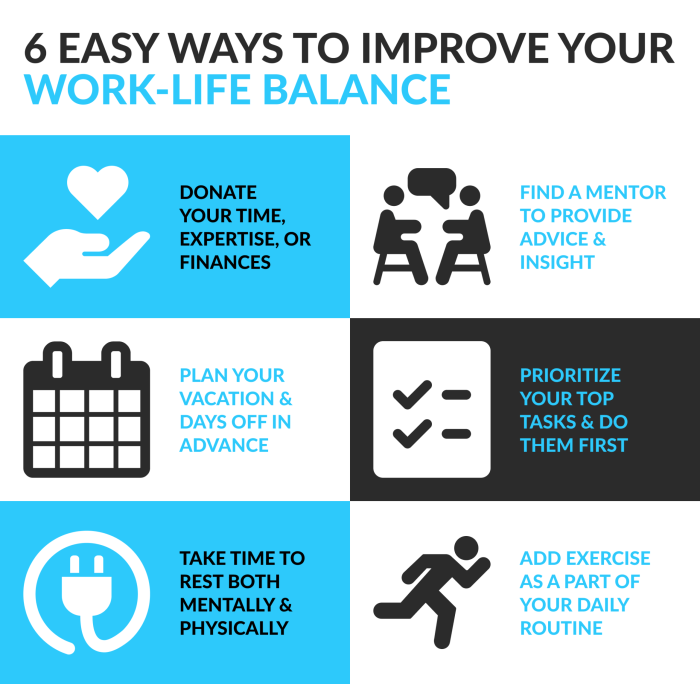
One of the first steps in simplifying your schedule is to set clear priorities. Identify the most important tasks that need to be accomplished each day and focus on completing them first. This will help you avoid feeling overwhelmed and ensure that essential tasks are taken care of in a timely manner.
Use Time Blocking
Time blocking is a helpful technique that involves dedicating specific blocks of time to different tasks or activities. By creating a schedule that Artikels when you will work on each task, you can better manage your time and ensure that you allocate enough time for each activity.
Avoid Overcommitting
Learn to say no to tasks or commitments that do not align with your priorities or values. Overcommitting can lead to feelings of overwhelm and prevent you from focusing on what truly matters. Be selective about the tasks you take on and prioritize those that are essential to your well-being and goals.
Decluttering Your Physical Environment
Having a cluttered physical environment can have a significant impact on your mental well-being. It can lead to feelings of stress, overwhelm, and even anxiety. Clearing out the clutter and organizing your living or workspace can help create a sense of calm and improve your overall quality of life.
Methods for Decluttering and Organizing
When it comes to decluttering and organizing your space, there are several methods you can try:
- Start small: Begin by tackling one area at a time, whether it's a drawer, a closet, or a room. Breaking it down into smaller tasks can make the process more manageable.
- Declutter ruthlessly: Be honest with yourself about what you really need and use. Donate or discard items that no longer serve a purpose in your life.
- Create designated spaces: Assign specific areas for different types of items to make it easier to find things and maintain order.
- Develop a system: Establish a system for organizing your belongings, whether it's using labels, bins, or shelves. Consistency is key to maintaining a clutter-free environment.
Tips for Maintaining a Clutter-Free Environment
Once you've decluttered and organized your space, it's important to establish habits that will help you maintain a clutter-free environment in the long term:
- Regularly declutter: Set aside time on a regular basis to declutter and reorganize your space. This can prevent clutter from building up again.
- Practice the one in, one out rule: For every new item you bring into your home or workspace, consider removing an old item to keep clutter at bay.
- Stay mindful of your belongings: Be conscious of what you bring into your space and try to avoid unnecessary purchases that could contribute to clutter.
- Seek support: Enlist the help of family members or friends to declutter and organize shared spaces, making it a collaborative effort.
Cultivating Mindfulness and Gratitude
Practicing mindfulness and gratitude can significantly contribute to simplifying your mindset and reducing overwhelm in your life. These practices help you stay present, appreciate the moment, and shift your focus from stress to inner peace.
Mindfulness Techniques
Integrating mindfulness techniques into your daily routine can help you stay grounded and focused. Here are some strategies to cultivate mindfulness:
- Awareness of your breath: Take a few moments each day to focus on your breath, allowing yourself to be fully present in the moment.
- Body scan meditation: Scan your body from head to toe, noticing any tension or discomfort, and releasing it through mindful breathing.
- Mindful eating: Pay attention to the taste, texture, and sensation of each bite during your meals, savoring the experience without distractions.
Gratitude Practices
Practicing gratitude can help shift your perspective from what's lacking in your life to what you already have, fostering a sense of contentment and joy. Here are ways to incorporate gratitude into your daily life:
- Gratitude journal: Take a few minutes each day to write down things you are grateful for, whether big or small, to cultivate a positive mindset.
- Express gratitude to others: Share your appreciation with friends, family, or colleagues, acknowledging their kindness or support, fostering stronger relationships.
- Gratitude meditation: Reflect on the things you are thankful for during a meditation practice, allowing yourself to feel the emotions associated with gratitude deeply.
Building Healthy Habits for Simplicity

Building healthy habits is essential for promoting a simpler lifestyle, reducing overwhelm, and enhancing overall well-being. By incorporating self-care practices and setting boundaries, individuals can cultivate sustainable habits that support simplicity in their daily lives.
Examples of Healthy Habits for Simplicity
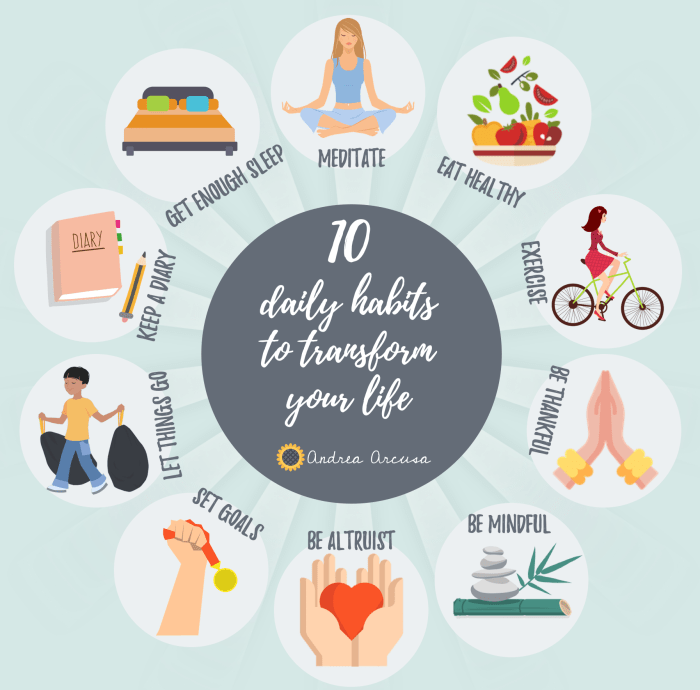
- Establishing a consistent sleep routine to ensure adequate rest and rejuvenation.
- Engaging in regular physical activity to boost energy levels and reduce stress.
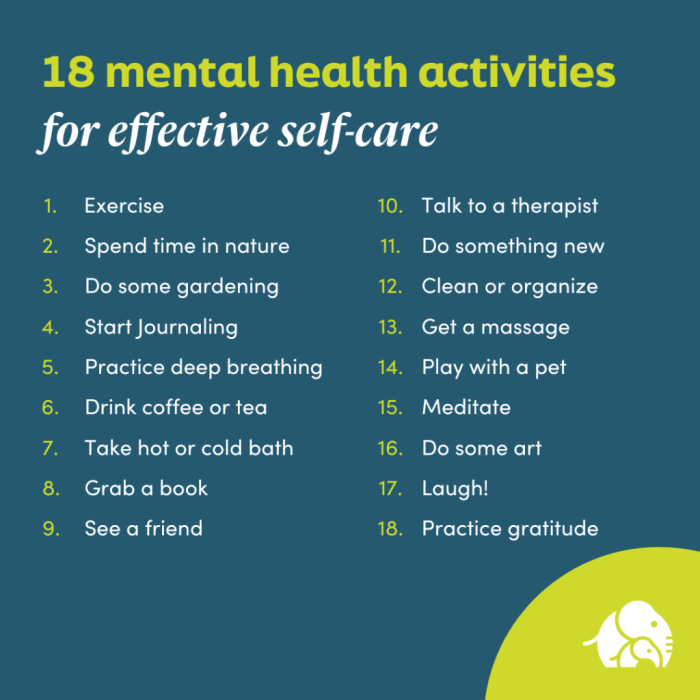
- Practicing mindfulness and meditation to promote mental clarity and emotional balance.
- Fostering meaningful connections with loved ones to nurture a sense of community and support.
The Importance of Self-Care and Setting Boundaries
Self-care is crucial for maintaining physical, mental, and emotional well-being. By prioritizing self-care activities such as relaxation, hobbies, and personal time, individuals can recharge and prevent burnout. Setting boundaries is equally important to protect one's time, energy, and resources from being depleted by external demands.
Strategies for Developing Sustainable Habits
- Start small and gradually incorporate new habits into your routine to avoid feeling overwhelmed.
- Use visual cues or reminders to stay on track with your healthy habits.
- Seek accountability from a friend or partner to stay motivated and committed to your goals.
- Celebrate small wins and acknowledge your progress to maintain momentum and reinforce positive behaviors.
Outcome Summary
In conclusion, by implementing the tips and strategies discussed, you can pave the way for a simpler, more fulfilling life. Embrace simplicity, prioritize self-care, and watch as the overwhelming chaos transforms into a harmonious balance.
Question & Answer Hub
How can simplifying my life benefit me?
Simplifying your life can lead to reduced stress, increased productivity, and a greater sense of clarity and focus.
What are some common areas where simplification is often needed?
Common areas include your schedule, possessions, relationships, and even digital clutter.
Why is mindfulness important in simplifying your life?
Practicing mindfulness can help you stay present, reduce anxiety, and make more intentional choices, leading to a simpler life.