Embark on a journey to discover the optimal diet for those with hectic schedules. This topic delves into the intricacies of balancing nutritious meals with a fast-paced lifestyle, offering insights that can transform the way you approach food and health.
Delve deeper into the realm of nutrition and time management in the following sections.
Benefits of a Healthy Diet for Busy Lifestyles
Eating a balanced diet is crucial for individuals leading busy lifestyles as it directly impacts their energy levels, productivity, and overall well-being. Proper nutrition plays a key role in ensuring that individuals are equipped to handle the demands of their hectic schedules.
Importance of a Balanced Diet for Maintaining Energy Levels
A balanced diet rich in essential nutrients such as proteins, carbohydrates, fats, vitamins, and minerals provides the necessary fuel for the body to function optimally. By consuming a variety of foods from different food groups, individuals can maintain steady energy levels throughout the day, preventing fatigue and helping them stay alert and focused.
Nutrition’s Impact on Productivity and Focus
The food we eat directly affects our cognitive function and ability to concentrate. By choosing nutrient-dense foods like fruits, vegetables, whole grains, and lean proteins, individuals can enhance their brain function, memory, and focus. This, in turn, boosts productivity and performance in both personal and professional tasks.
Role of Food in Managing Stress and Promoting Mental Well-Being
In times of high stress, the body's nutritional needs may increase as it works harder to cope with the demands placed on it. Consuming a diet rich in antioxidants, omega-3 fatty acids, and other mood-boosting nutrients can help reduce stress levels, promote mental well-being, and improve overall resilience.
By nourishing the body with the right foods, individuals can better manage stress and maintain a positive outlook on life.
Components of a Balanced Diet for Busy Individuals
Maintaining a balanced diet is crucial for individuals with busy lifestyles to ensure they are getting all the necessary nutrients to support their daily activities. Here are some essential components of a balanced diet for busy individuals:
Essential Nutrients Needed for a Busy Lifestyle
- Protein: Essential for muscle repair and growth, sources include lean meats, poultry, fish, beans, and nuts.
- Complex Carbohydrates: Provide long-lasting energy, found in whole grains, fruits, and vegetables.
- Healthy Fats: Important for brain function and overall health, found in avocados, nuts, seeds, and olive oil.
- Fiber: Aids in digestion and helps keep you full, sources include whole grains, fruits, vegetables, and legumes.
- Vitamins and Minerals: Essential for various bodily functions, found in a variety of fruits, vegetables, and whole foods.
Quick and Nutritious Meal Examples
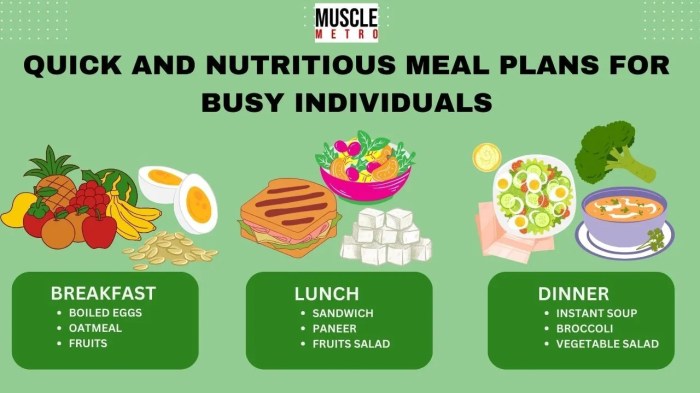
- Grilled chicken with quinoa and roasted vegetables: A balanced meal with protein, complex carbs, and fiber.
- Greek yogurt with mixed berries and a sprinkle of nuts: A quick and easy snack packed with protein, vitamins, and healthy fats.
- Tuna salad on whole grain bread with a side of baby carrots: A simple lunch option rich in protein, fiber, and vitamins.
Significance of Meal Planning and Preparation
Meal planning and preparation are essential for busy individuals to ensure they have access to healthy meals throughout the week. By taking the time to plan meals in advance and prepare ingredients ahead of time, individuals can avoid unhealthy food choices and save time during busy weekdays.
Additionally, meal planning allows for better portion control and ensures a balanced intake of nutrients, leading to improved overall health and well-being.
Time-Saving Cooking Tips for Busy Individuals
When you have a busy lifestyle, finding time to cook healthy meals can be a challenge. However, with the right strategies and tips, you can make meal prep more efficient, saving time and ensuring you stick to a healthy diet.
Batch Cooking Benefits and Implementation
Batch cooking is a great time-saving strategy for busy individuals. By preparing large quantities of food in advance, you can have ready-made meals for the entire week, reducing the need to cook every day. To implement batch cooking effectively, choose a day of the week to dedicate to meal prep, select recipes that can be easily stored and reheated, and invest in quality storage containers to keep your meals fresh.
Meal Prep Tips for Efficiency
- Plan your meals for the week ahead of time to avoid last-minute decisions.
- Cook in bulk and portion out meals into individual containers for easy grab-and-go options.
- Utilize kitchen gadgets like slow cookers, instant pots, and air fryers to speed up the cooking process.
- Pre-cut vegetables and store them in the fridge for quick and easy additions to meals.
- Use versatile ingredients that can be used in multiple dishes to minimize cooking time.
Making Healthy Eating Convenient and Sustainable
- Keep healthy snacks like nuts, fruits, and yogurt readily available for quick bites.
- Opt for simple recipes with fewer ingredients to streamline the cooking process.
- Choose whole foods over processed options for better nutrition and sustained energy levels.
- Establish a meal planning routine to stay organized and ensure a balanced diet.
- Don't be afraid to experiment with new recipes and flavors to keep things interesting and prevent food boredom.
Eating Out Strategies for Busy Professionals
When it comes to maintaining a healthy diet while having a busy schedule, eating out can often present a challenge. However, with some mindful choices and strategies, it is possible to make healthier decisions even when dining at restaurants or attending social events.
Identifying Healthier Options
When dining out, look for menu items that are grilled, baked, or steamed instead of fried. Opt for dishes that include plenty of vegetables and lean proteins like chicken, fish, or tofu. Avoid items that are described as "fried," "battered," or "creamy," as these are often high in unhealthy fats and calories.
Making Mindful Choices
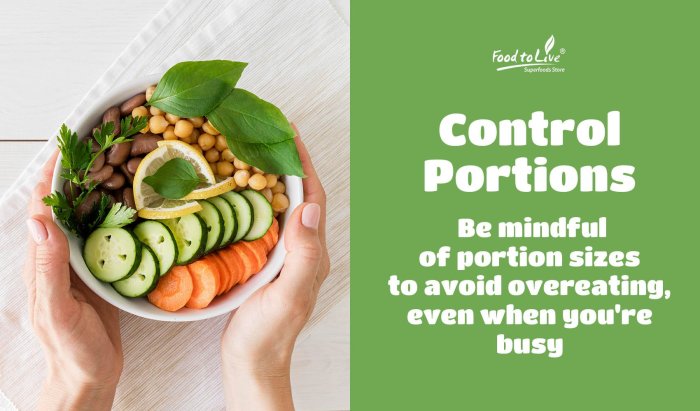
Choose smaller portion sizes or consider sharing a meal with a friend to avoid overeating. Ask for dressings and sauces on the side so you can control the amount you consume. Opt for water or unsweetened beverages instead of sugary drinks.
Additionally, try to avoid the breadbasket or appetizers that are deep-fried or loaded with cheese.
Navigating Social Events
When attending social events, scan the menu beforehand if possible to identify healthier options. Look for salads, grilled proteins, or vegetable-based dishes. If there are limited healthy choices, try to fill up on a small salad or vegetable appetizer before the main meal.
Remember to enjoy the company and conversation rather than focusing solely on the food.
Importance of Hydration and Physical Activity in a Busy Lifestyle
Maintaining proper hydration and incorporating physical activity are essential components of a healthy lifestyle, especially for individuals with busy schedules. These practices not only contribute to overall well-being but also help increase energy levels and improve focus throughout the day.
The Role of Hydration in Maintaining Energy and Focus
Proper hydration is crucial for maintaining energy levels and cognitive function. Dehydration can lead to fatigue, decreased concentration, and overall decreased performance. It is recommended to drink at least 8-10 glasses of water per day to stay hydrated and alert.
Tips for Staying Active Despite a Busy Schedule
- Incorporate short bursts of physical activity throughout the day, such as taking the stairs instead of the elevator or going for a brisk walk during breaks.
- Schedule specific workout times in your calendar to ensure you prioritize exercise.
- Choose activities that you enjoy, whether it's dancing, cycling, or yoga, to make staying active more enjoyable and sustainable.
Benefits of Incorporating Small Bouts of Exercise Throughout the Day
- Increases metabolism and burns calories, aiding in weight management.
- Boosts mood and reduces stress levels, promoting mental well-being.
- Improves cardiovascular health and overall fitness levels.
- Enhances productivity and focus, leading to better performance in daily tasks.
Conclusion
As we wrap up this exploration of the best diet for busy lifestyles, remember that small changes in your eating habits can lead to significant improvements in your overall well-being. By prioritizing nutrition and smart choices, you can achieve a healthier lifestyle even amidst a bustling routine.
FAQ Overview
What are some essential nutrients for a busy lifestyle?
Key nutrients include protein, healthy fats, complex carbohydrates, and a variety of vitamins and minerals to sustain energy levels throughout the day.
How can I make healthy eating convenient?
Meal prepping in advance, stocking up on nutritious snacks, and opting for simple recipes can streamline your eating habits amidst a busy schedule.
What are some strategies for staying active while busy?
Incorporating short bursts of exercise, taking active breaks during work, and prioritizing physical activity can help maintain fitness levels despite a packed agenda.