Embark on a journey towards a heart healthy lifestyle as we delve into the essentials of maintaining optimal heart health. From nutritious food choices to effective stress management techniques, this guide will equip you with the knowledge to make positive changes for your heart's well-being.
Exploring the significance of a heart-healthy lifestyle is not just about physical health but also encompasses mental well-being and overall quality of life.
Introduction to Heart-Healthy Lifestyle
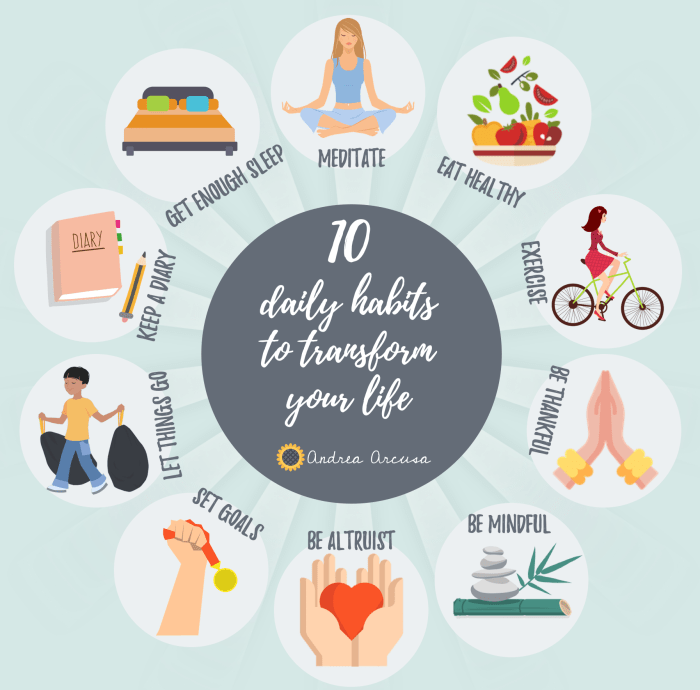
A heart-healthy lifestyle refers to adopting habits and making choices that promote cardiovascular well-being. This includes maintaining a balanced diet, engaging in regular physical activity, managing stress, avoiding smoking, and getting enough sleep.
It is crucial to prioritize a heart-healthy lifestyle as cardiovascular diseases are among the leading causes of death worldwide. By taking care of your heart, you can reduce the risk of conditions such as heart attack, stroke, and high blood pressure.
Benefits of Adopting Heart-Healthy Habits
- Lowered risk of heart disease: By following a heart-healthy lifestyle, you can reduce the chances of developing heart-related issues.
- Improved overall health: Taking care of your heart can have positive effects on your overall well-being, including better energy levels and improved immunity.
- Enhanced quality of life: A healthy heart means you can enjoy a more active and fulfilling life with reduced limitations due to health concerns.
- Longevity: By maintaining a heart-healthy lifestyle, you increase your chances of living a longer and healthier life.
Nutrition for a Healthy Heart
Eating a balanced diet rich in essential nutrients is crucial for maintaining a healthy heart. Incorporating heart-healthy foods into your daily meals can significantly reduce the risk of heart disease and promote overall well-being.
Key Nutrients for Heart Health
- Omega-3 fatty acids: Found in fatty fish like salmon, mackerel, and sardines, omega-3s help reduce inflammation and lower the risk of heart disease.
- Fiber: Foods high in soluble fiber such as oats, beans, and fruits can help lower cholesterol levels and improve heart health.
- Antioxidants: Fruits and vegetables rich in antioxidants like vitamins C and E can protect the heart by reducing oxidative stress.
- Potassium: Bananas, sweet potatoes, and spinach are excellent sources of potassium, which helps regulate blood pressure and support heart function.
- Magnesium: Nuts, seeds, and leafy greens provide magnesium, a mineral essential for maintaining a healthy heartbeat and blood pressure.
Heart-Healthy Food Choices
- Lean protein sources: Opt for skinless poultry, legumes, and tofu instead of red meat to reduce saturated fat intake.
- Whole grains: Choose whole-grain options like brown rice, quinoa, and whole wheat bread to increase fiber intake and support heart health.
- Healthy fats: Include sources of unsaturated fats such as olive oil, avocados, and nuts in your diet to improve cholesterol levels and protect your heart.
- Colorful fruits and vegetables: Aim to fill half your plate with a variety of colorful fruits and vegetables to benefit from a range of vitamins, minerals, and antioxidants.
Physical Activity and Exercise
Regular physical activity and exercise play a crucial role in maintaining a healthy heart. Exercise helps strengthen the heart muscle, improve circulation, lower blood pressure, and reduce the risk of heart disease.
Types of Exercises Beneficial for Heart Health
- Aerobic Exercise: Activities like brisk walking, running, cycling, swimming, and dancing help increase heart rate and improve cardiovascular fitness.
- Strength Training: In addition to aerobic exercise, incorporating strength training exercises using weights or resistance bands helps build muscle mass and improve overall strength.
- Flexibility and Balance Exercises: Practices like yoga and tai chi can enhance flexibility, balance, and coordination, reducing the risk of falls and injuries.
Recommendations for Incorporating Physical Activity
- Set Realistic Goals: Start with small, achievable goals and gradually increase the intensity and duration of your workouts.
- Find Activities You Enjoy: Choose exercises that you find enjoyable, whether it's playing a sport, hiking, dancing, or practicing yoga.
- Make it a Habit: Schedule regular exercise sessions into your daily routine, aiming for at least 150 minutes of moderate-intensity aerobic activity per week.
- Stay Consistent: Consistency is key to reaping the benefits of exercise for heart health. Try to be active most days of the week.
Stress Management and Mental Well-being

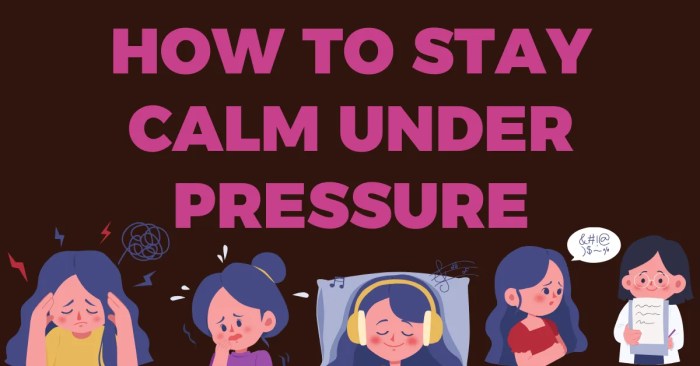
Stress and mental well-being play a crucial role in heart health. High levels of stress can have a negative impact on the heart, increasing the risk of heart disease and other cardiovascular issues. On the other hand, maintaining good mental well-being can contribute to overall heart health by reducing stress levels and promoting a healthier lifestyle.
Link between Stress and Heart Health
Stress can lead to unhealthy behaviors such as overeating, poor sleep, and lack of physical activity, all of which can contribute to heart problems. Additionally, chronic stress can increase blood pressure and cholesterol levels, further increasing the risk of heart disease.
- Practice relaxation techniques such as deep breathing, meditation, or yoga.
- Engage in regular physical activity to reduce stress and improve overall well-being.
- Seek support from friends, family, or a mental health professional when feeling overwhelmed.
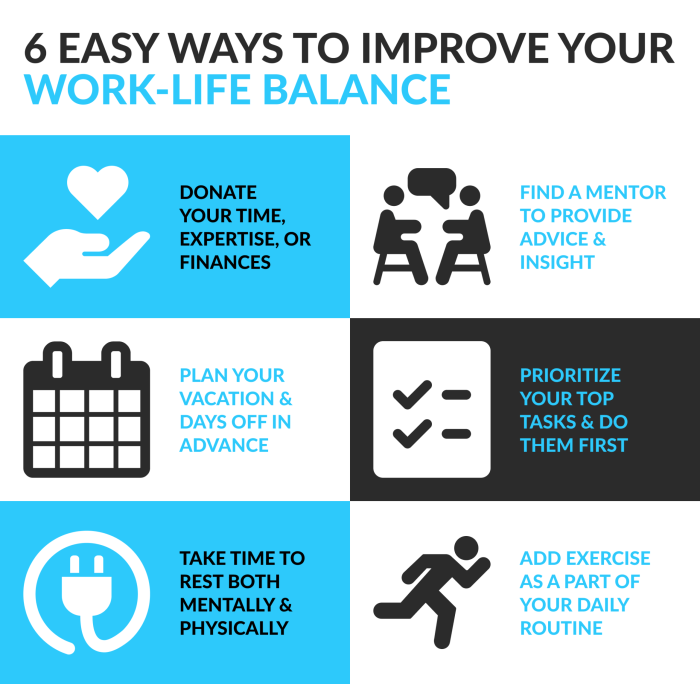
- Establish a healthy work-life balance to prevent excessive stress from affecting your heart health.
Mental Well-being and Heart Health
Maintaining good mental well-being is essential for heart health as it helps reduce stress levels and promotes positive lifestyle choices. Being mentally healthy can lead to better sleep, increased physical activity, and healthier eating habits, all of which are beneficial for the heart.
- Practice mindfulness and self-care to improve mental well-being and reduce stress.
- Engage in activities that bring you joy and relaxation to boost your mood and overall well-being.
- Stay socially connected with friends and loved ones to enhance mental health and reduce feelings of isolation or loneliness.
- Consider therapy or counseling if you are struggling with managing stress or maintaining mental well-being.
Sleep and Heart Health
Adequate sleep is crucial for maintaining a healthy heart. Poor sleep quality and insufficient sleep duration have been linked to an increased risk of heart disease, high blood pressure, diabetes, and obesity. It is essential to prioritize good sleep habits to support overall heart health.
Importance of Adequate Sleep
Getting enough quality sleep is essential for the body to repair and rejuvenate itself. During sleep, the heart rate and blood pressure decrease, allowing the heart and blood vessels to rest. Lack of sleep can lead to inflammation, increased stress hormones, and disruptions in metabolism, all of which can negatively impact heart health.
Tips for Improving Sleep Quality
- Establish a regular sleep schedule by going to bed and waking up at the same time every day, even on weekends.
- Create a relaxing bedtime routine to signal to your body that it's time to wind down, such as reading a book, taking a warm bath, or practicing relaxation techniques.
- Ensure your sleep environment is comfortable, cool, dark, and quiet to promote restful sleep.
- Avoid caffeine, nicotine, and large meals close to bedtime, as they can interfere with sleep quality.
- Limit screen time before bed, as the blue light emitted by electronic devices can disrupt the production of melatonin, a hormone that regulates sleep.
Relationship Between Sleep Patterns and Heart Disease Risk
Research has shown that individuals who consistently experience poor sleep quality or have irregular sleep patterns are at a higher risk of developing cardiovascular problems. Disruptions in the body's internal clock, known as circadian rhythm, can affect blood pressure, heart rate, and other cardiovascular functions, increasing the likelihood of heart disease.
Smoking Cessation and Heart Health

Smoking is one of the major risk factors for heart disease, as it can lead to the narrowing of the blood vessels, increased blood pressure, and reduced oxygen supply to the heart. This significantly raises the risk of heart attacks, strokes, and other cardiovascular problems.
Harmful Effects of Smoking on the Heart
- Smoking damages the lining of the arteries, leading to a buildup of fatty deposits that can block blood flow.
- Nicotine in cigarettes constricts blood vessels, making the heart work harder to pump blood.
- Carbon monoxide in cigarette smoke reduces the amount of oxygen that can be carried by the blood, putting a strain on the heart.
Resources and Strategies for Quitting Smoking
- Seek support from family, friends, or a support group to stay motivated.
- Consider nicotine replacement therapy or prescription medications to help manage cravings.
- Try behavioral therapy or counseling to address the psychological aspects of quitting.
Positive Impact of Quitting Smoking on Heart Health
- Within a few hours of quitting, heart rate and blood pressure begin to drop.
- Within a year, the risk of heart disease is cut in half compared to a smoker.
- After 15 years of quitting, the risk of heart disease is similar to that of a non-smoker.
Closing Notes

In conclusion, prioritizing a heart-healthy lifestyle is a fundamental step towards ensuring a strong and resilient heart. By incorporating these practices into your daily routine, you pave the way for a healthier and happier life.
FAQ Insights
How does regular exercise benefit heart health?
Regular exercise helps strengthen the heart muscle, improve circulation, and lower blood pressure, reducing the risk of heart disease.
What are some heart-healthy food choices?
Examples of heart-healthy foods include fruits, vegetables, whole grains, lean proteins, and foods rich in omega-3 fatty acids.
Why is stress management important for heart health?
Effective stress management can lower blood pressure, reduce the risk of heart disease, and improve overall heart health.
How does smoking affect heart health?
Smoking damages the heart and blood vessels, leading to an increased risk of heart disease, heart attacks, and strokes.