Embark on a journey to discover the secrets of creating sustainable healthy routines with our guide on How to Build Healthy Routines That Last. Dive into the world of well-being as we explore the importance of consistent habits for a healthier mind and body.
Learn about setting realistic goals, organizing your daily schedule, implementing healthy habits, and prioritizing self-care to achieve lasting wellness.
Importance of Healthy Routines
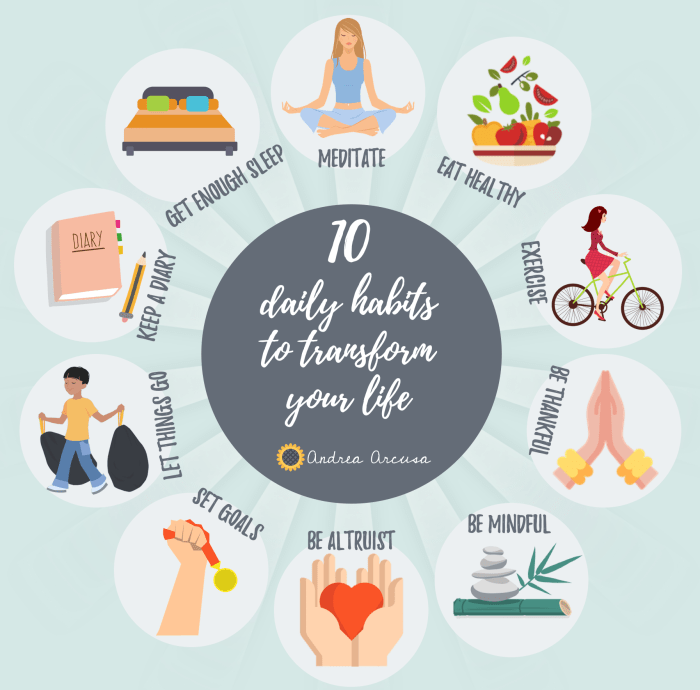
Building healthy routines is crucial for overall well-being as it sets the foundation for a healthy lifestyle. Consistent healthy habits play a significant role in improving both mental and physical health, leading to a more fulfilling life.
Benefits of Healthy Routines
- Improved Physical Health: Healthy routines such as regular exercise, balanced diet, and sufficient sleep help in maintaining a healthy body weight, reducing the risk of chronic diseases like diabetes, heart disease, and obesity.
- Enhanced Mental Health: Establishing daily routines can reduce stress, anxiety, and depression. It provides a sense of structure, control, and accomplishment, boosting overall mental well-being.
- Increased Productivity: Healthy habits like time management, prioritizing tasks, and setting goals lead to better productivity and efficiency in daily activities, both at work and in personal life.
Long-lasting Impact on Health
- Prevention of Health Issues: Consistent healthy routines help in preventing various health issues by strengthening the immune system, improving cardiovascular health, and promoting overall well-being.
- Positive Behavior Changes: Establishing and maintaining healthy routines can lead to long-term behavior changes, such as quitting smoking, reducing alcohol consumption, and adopting healthier eating habits.
- Quality of Life: Long-lasting healthy routines contribute to an improved quality of life by increasing longevity, vitality, and overall happiness. It enhances one's ability to cope with challenges and enjoy life to the fullest.
Identifying Goals and Priorities
Setting realistic goals when establishing healthy routines is crucial for long-term success. It's important to be specific, measurable, achievable, relevant, and time-bound (SMART) when defining your goals. For example, instead of saying "I want to exercise more," a SMART goal would be "I will go for a 30-minute walk every morning before work."
Setting Realistic Goals
- Start small: Break down big goals into smaller, manageable steps.
- Track your progress: Keep a journal or use apps to monitor your achievements.
- Adjust when needed: Be flexible and modify your goals as you learn more about what works for you.
Prioritizing Tasks for Health Goals
Prioritizing tasks that align with your health goals is essential for staying on track. Here are some tips to help you prioritize effectively:
- Identify urgent vs. important tasks: Focus on what needs to be done immediately versus what will have a long-term impact on your health.
- Create a schedule: Allocate specific time slots for tasks related to your health goals to ensure they are not overlooked.
- Avoid multitasking: Concentrate on one task at a time to improve efficiency and reduce stress.
Aligning Routines with Long-Term Objectives
It's vital to align your daily routines with your long-term objectives to ensure consistency and progress. Consider the following:
- Reflect on your values: Ensure that your routines reflect what is truly important to you in the long run.
- Stay adaptable: Be willing to adjust your routines as your goals and priorities evolve over time.
- Celebrate progress: Acknowledge the small wins along the way to stay motivated and committed to your long-term objectives.
Creating a Routine Schedule
Creating a structured daily routine is crucial for maintaining healthy habits and achieving your goals. A routine schedule provides a sense of stability, reduces decision fatigue, and helps you stay focused and organized throughout the day.
Importance of Having a Structured Daily Routine
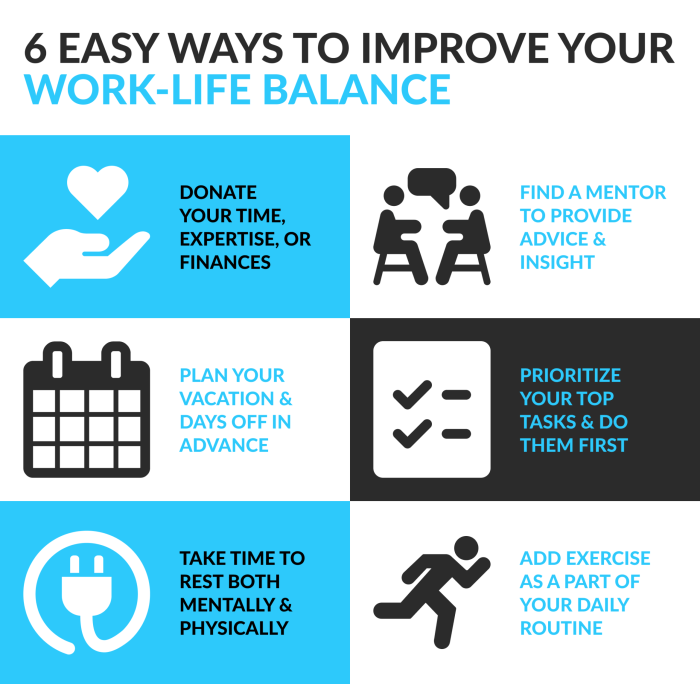
- Establishing a routine helps in managing time effectively and prioritizing tasks.
- It reduces stress and anxiety by providing a sense of predictability and control over your day.
- Consistency in your daily schedule can lead to improved productivity and overall well-being.
Strategies to Plan and Organize Your Daily Schedule
- Start by identifying your top priorities and setting specific goals for each day.
- Use tools like planners, calendars, or apps to schedule your tasks and allocate time for important activities.
- Break down your day into blocks of time for different tasks, including work, exercise, meals, and relaxation.
- Avoid overloading your schedule and allow for flexibility to accommodate unexpected events or changes.
Role of Consistency in Maintaining Healthy Habits
- Consistency is key to forming habits that last, as repeated actions become automatic over time.
- Following a consistent routine helps in building discipline and staying motivated to stick to your healthy habits.
- Regularly reviewing and adjusting your schedule can ensure that you are staying on track with your goals and priorities.
Implementing Healthy Habits
To build a sustainable healthy routine, it is crucial to incorporate key healthy habits into your daily life. By identifying these habits and finding ways to integrate them into your routine, you can achieve a balanced and fulfilling lifestyle.
Regular Exercise
Regular physical activity is essential for maintaining good health. Try to incorporate at least 30 minutes of exercise into your daily schedule, whether it's going for a run, practicing yoga, or taking a brisk walk.
Healthy Eating Habits
Adopting a balanced and nutritious diet is key to staying healthy. Make sure to include plenty of fruits, vegetables, whole grains, and lean proteins in your meals. Avoid processed foods and sugary drinks as much as possible.
Adequate Sleep
Getting enough rest is crucial for overall well-being. Aim for 7-9 hours of quality sleep each night by establishing a bedtime routine and creating a comfortable sleep environment.
Stress Management
Find ways to manage stress effectively, whether it's through meditation, deep breathing exercises, or engaging in hobbies you enjoy. Prioritize self-care and make time for relaxation to prevent burnout.
Hydration
Stay hydrated throughout the day by drinking an adequate amount of water. Carry a reusable water bottle with you and make it a habit to take regular sips to maintain optimal hydration levels.
Consistency and Accountability
Set specific goals for each healthy habit you want to implement and track your progress regularly. Consider sharing your goals with a friend or joining a support group to stay accountable and motivated.
Self-Care and Wellness Practices
Self-care is essential for maintaining overall well-being and ensuring that you have the necessary resources to tackle daily challenges. By incorporating self-care practices into your routine, you can improve your physical, mental, and emotional health.
Exploring Different Self-Care Practices
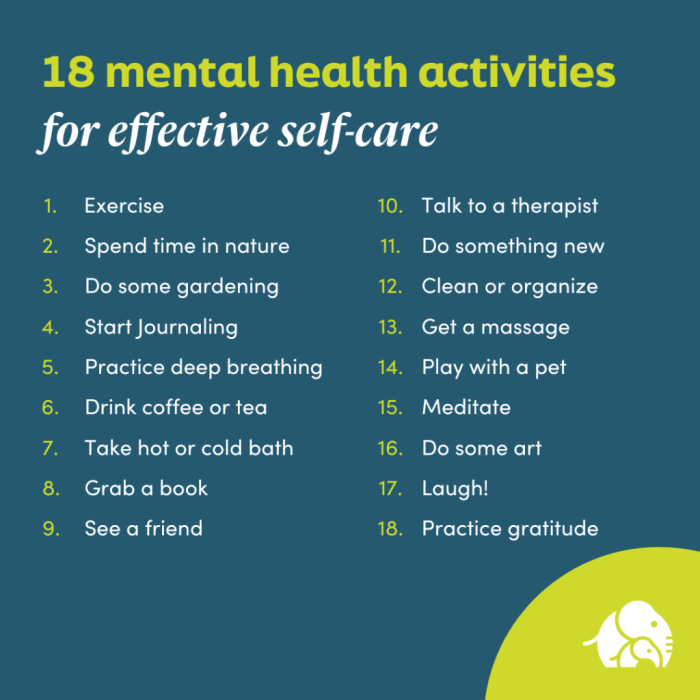
Self-care can take many forms, from simple activities like taking a walk in nature to more indulgent practices like pampering yourself with a spa day. It's important to find activities that resonate with you and make you feel rejuvenated.
- Practicing mindfulness and meditation to reduce stress and increase awareness.
- Engaging in regular exercise to boost your energy levels and improve your mood.
- Cultivating hobbies and interests that bring you joy and fulfillment.
- Setting boundaries to protect your time and energy from draining activities or people.
Tips for Prioritizing Self-Care
Integrating self-care into your daily routine can sometimes feel like a challenge, but it's crucial for maintaining a healthy lifestyle. Here are some tips to help you prioritize self-care:
- Block out dedicated time in your schedule for self-care activities.
- Learn to say no to commitments that interfere with your well-being.
- Practice self-compassion and treat yourself with kindness and understanding.
- Seek support from loved ones or a therapist to help you stay accountable and motivated.
Connection Between Self-Care, Stress Management, and Healthy Routines
Self-care plays a vital role in managing stress levels and establishing healthy routines. When you prioritize self-care, you're better equipped to handle the challenges and pressures of daily life. By reducing stress through self-care practices, you can create a more balanced and sustainable routine that promotes overall wellness.
Last Word
In conclusion, cultivating healthy routines is not just a task but a lifestyle choice that can lead to a happier and healthier you. With dedication and perseverance, you can build habits that last a lifetime, promoting overall well-being and vitality.
FAQ Guide
How can I stay motivated to maintain healthy routines?
To stay motivated, try setting small, achievable goals, tracking your progress, and rewarding yourself for milestones reached.
Is it necessary to follow the same routine every day?
While consistency is key, it's also important to be flexible and adjust your routine as needed to avoid monotony and adapt to changing circumstances.
What role does sleep play in building healthy routines?
Sleep is crucial for overall health and well-being, so ensure you prioritize a consistent sleep schedule to support your healthy habits.