Embark on a journey to explore effective strategies on managing stress and staying calm under pressure. This guide will delve into various aspects of stress management, offering insights and practical advice to help you navigate challenging situations with ease.
Understanding Stress and Pressure
In daily life, stress can be defined as the body's response to challenges or demands, while pressure refers to the feeling of being overwhelmed by these challenges. Stress and pressure can manifest in various ways and affect individuals differently.
Physiological Effects of Stress
Stress triggers the release of hormones like cortisol and adrenaline, preparing the body for a fight-or-flight response. This can lead to increased heart rate, elevated blood pressure, and heightened alertness.
Acute vs. Chronic Stress
- Acute stress is short-term and can be beneficial in certain situations, such as helping you meet a deadline or deal with a sudden threat.
- Chronic stress, on the other hand, persists over a longer period and can have detrimental effects on both physical and mental health.
Common Stressors
Examples of common stressors that can lead to pressure situations include work deadlines, financial worries, relationship issues, and health concerns. These stressors can vary from person to person and may require different coping mechanisms.
Identifying Personal Triggers
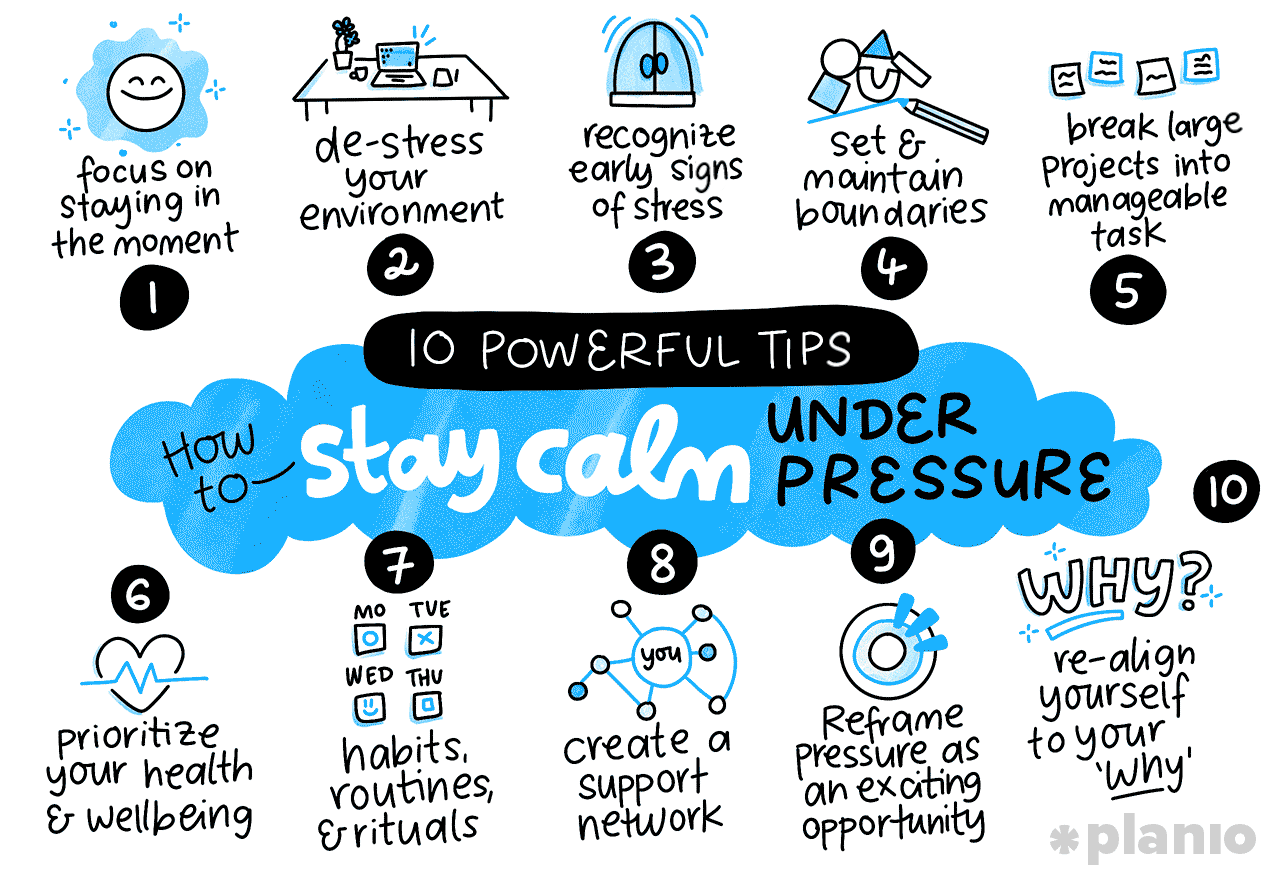
Understanding your personal triggers for stress and pressure is crucial in managing your response to challenging situations. By recognizing these triggers, you can develop strategies to cope effectively.
Techniques to Identify Personal Triggers
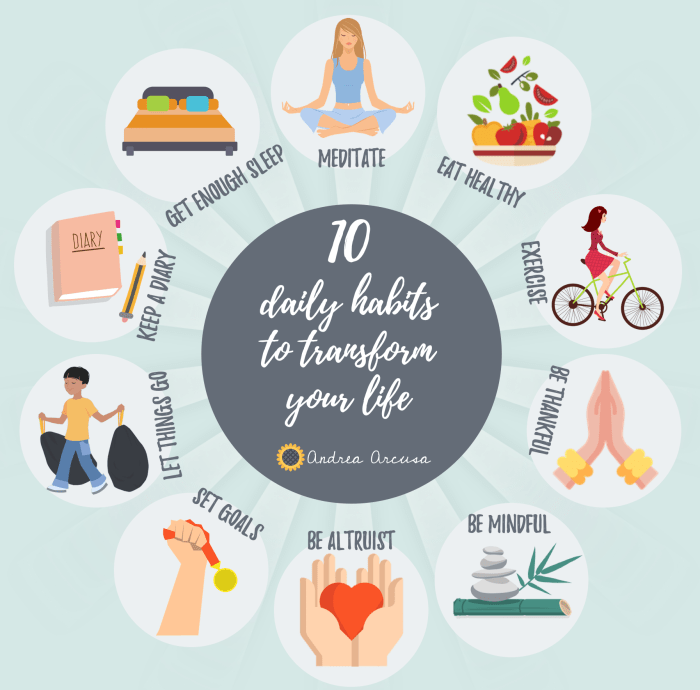
- Keep a journal to track situations that cause you stress and pressure.
- Pay attention to physical and emotional cues that signal heightened stress levels.
- Seek feedback from trusted friends or family members on patterns they observe in your behavior.
Importance of Self-Awareness in Recognizing Triggers
Self-awareness plays a key role in identifying personal triggers as it allows you to understand your emotional responses and thought patterns. By acknowledging your triggers, you can take proactive steps to address them before they escalate.
Examples of Different Reactions to the Same Trigger
| Trigger | Reactions |
|---|---|
| Public Speaking |
|
| Work Deadlines |
|
Developing Coping Strategies
Stress is a common experience in daily life, but managing it effectively is crucial for overall well-being. Coping strategies play a significant role in handling stress and pressure by providing individuals with tools to navigate challenging situations.
Mindfulness
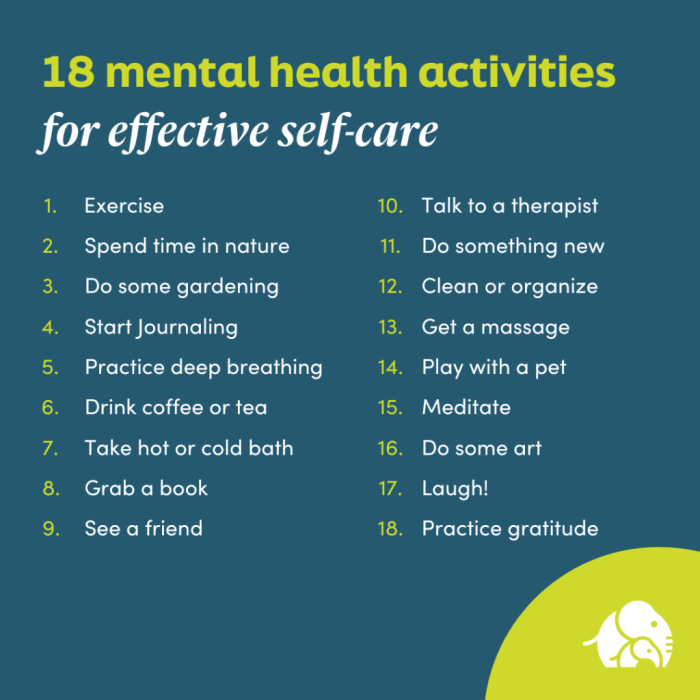
- Engaging in mindfulness practices such as meditation or deep breathing exercises can help individuals stay present and focused, reducing feelings of overwhelm.
- Regular mindfulness practice can enhance self-awareness and promote a sense of calmness, making it easier to cope with stressors.
- By incorporating mindfulness into daily routines, individuals can build resilience and improve their ability to manage stress effectively.
Exercise
- Physical activity, whether through cardio, strength training, or yoga, can release endorphins that act as natural mood lifters, reducing stress and anxiety levels.
- Regular exercise can improve overall health, boost energy levels, and provide a healthy outlet for managing stress.
- Finding an exercise routine that suits personal preferences and schedule can make it easier to maintain consistency and reap the stress-relieving benefits.
Deep Breathing
- Practicing deep breathing exercises can activate the body's relaxation response, lowering heart rate and promoting a sense of calmness.
- Deep breathing techniques can be easily incorporated into daily activities, allowing individuals to manage stress in real-time situations.
- Consistent deep breathing practice can enhance oxygen flow to the brain, improving concentration and reducing the impact of stress on mental well-being.
Benefits of Personalized Stress Management Plan
- Creating a personalized stress management plan allows individuals to identify specific triggers and tailor coping strategies to their unique needs.
- By developing a plan that includes a combination of coping mechanisms like mindfulness, exercise, and deep breathing, individuals can build a holistic approach to stress management.
- A personalized stress management plan can increase self-awareness, resilience, and overall well-being, empowering individuals to face stressors with confidence.
Time Management and Prioritization
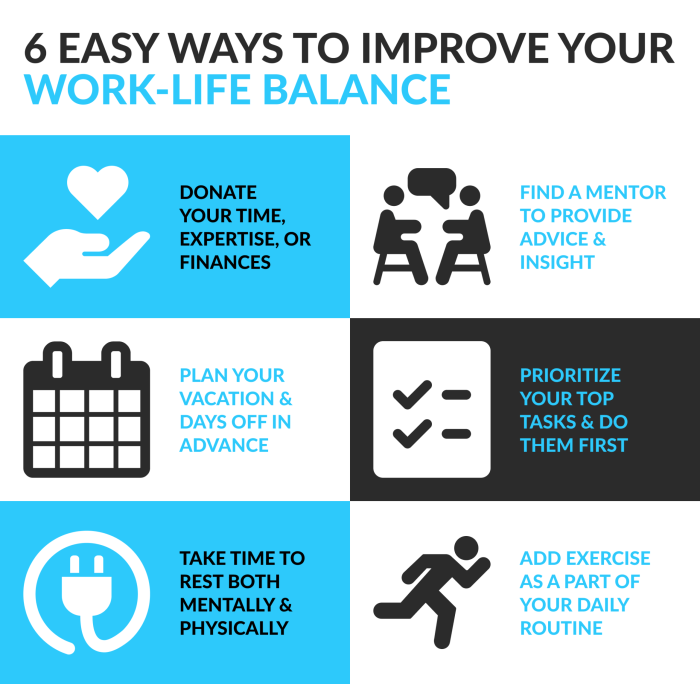
Effective time management plays a crucial role in reducing stress levels and staying calm under pressure. By organizing your tasks and priorities efficiently, you can feel more in control of your workload and avoid becoming overwhelmed.
Setting Priorities
- Start by listing all your tasks and responsibilities.
- Identify urgent tasks that need immediate attention.
- Consider the importance and deadlines of each task.
Breaking Down Tasks
- Divide larger tasks into smaller, more manageable steps.
- Set specific goals and deadlines for each step.
- Focus on completing one step at a time to avoid feeling overwhelmed.
Building Resilience
Resilience is the ability to bounce back from difficult situations and adapt positively to adversity. It plays a crucial role in handling pressure as it allows individuals to navigate challenges with a sense of strength and determination.
Cultivating Resilience
One way to cultivate resilience is through mindset shifts. By reframing negative thoughts into more positive and realistic ones, individuals can build a stronger mental foundation to face stress and pressure. Additionally, practicing self-care is essential in nurturing resilience. This includes prioritizing physical and mental well-being, engaging in activities that bring joy, and seeking support from loved ones.
Real-Life Examples
- Malala Yousafzai, the youngest Nobel Prize laureate, demonstrated immense resilience in the face of adversity after surviving a targeted attack by the Taliban. She continued her advocacy for girls' education despite the risks, showcasing unwavering determination and courage.
- Nelson Mandela spent 27 years in prison during his fight against apartheid in South Africa. His ability to maintain hope, forgiveness, and a vision for a better future exemplified remarkable resilience in the most challenging circumstances.
- Oprah Winfrey overcame a difficult childhood marked by poverty and abuse to become one of the most influential media moguls in the world. Through her perseverance, positive outlook, and commitment to personal growth, she embodies resilience in the face of adversity.
Final Thoughts
In conclusion, mastering the art of managing stress and staying calm under pressure is essential for maintaining overall well-being. By implementing the techniques discussed, you can cultivate resilience and tackle stressful situations with confidence.
Questions and Answers
What are some effective coping mechanisms for managing stress?
Some effective coping mechanisms include mindfulness exercises, regular physical activity, deep breathing techniques, and engaging in hobbies or activities that bring joy.
How can I identify my personal triggers of stress?
One way to identify personal triggers is to keep a stress journal, noting down situations or events that cause heightened stress levels and analyzing patterns over time.
Why is resilience important in handling pressure?
Resilience enables individuals to bounce back from setbacks, adapt to challenges, and maintain a positive outlook in the face of adversity, ultimately enhancing overall well-being.